Blog
Talent Intelligence in an AI-driven World
AI is already changing how organizations assess, hire, develop, and lead. SHL’s Virtual Summit explored why the real challenge is not simply adopting AI, but integrating it into work, skills, and leadership in a way people can trust.
Share
Share
AI is already here
In our recent virtual summit event, we discussed the questions HR leaders are grappling with now; can AI be trusted in talent decisions, how can organizations reskill and redeploy people quickly enough, what data can be trusted, and what leadership looks like in an AI-first world.
The summit focused on what organizations need to do to make AI useful in practice. As SHL’s Chief Scientific Officer, Sara Gutierrez put it, “This is no longer about whether organizations will adopt AI. It’s about something much, much harder”. That harder challenge is turning AI into something that works through people, through jobs, and through decisions.
From adoption to integration
A major theme running through the summit was that AI adoption alone is not enough. LJ Justice from Gartner described a familiar pattern: organizations are increasing access to AI tools, encouraging experimentation, and investing in training, yet many still struggle to see meaningful business value.
If organizations add AI without redesigning the work around it, they may increase usage without changing outcomes. The most successful organizations are treating AI as a work integration initiative, not just a technology initiative. In practical terms, that means looking closely at which tasks are being automated or augmented, where workflows are changing, and what entirely new forms of work are emerging. The point is not simply to use AI more often, but to understand how work itself is shifting.
“AI adoption is not primarily a technology challenge. It’s a work and talent challenge”
Sara Gutierrez, Chief Science Officer, SHL
Talent intelligence as the answer
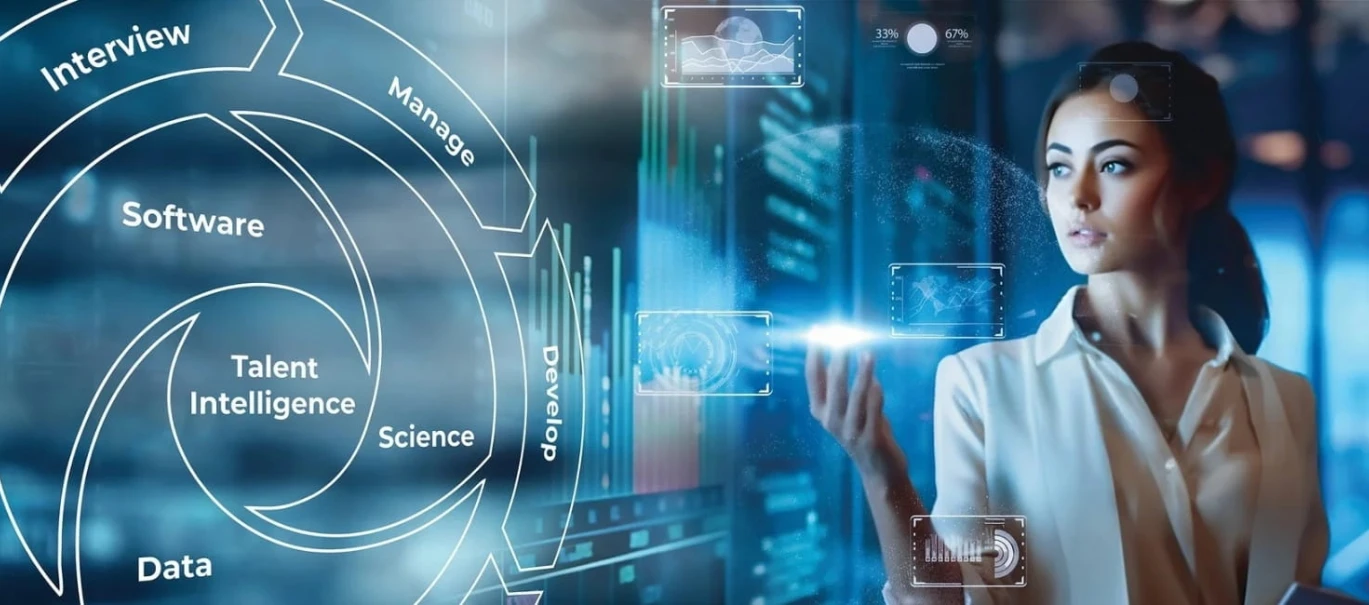
Across the summit, talent intelligence emerged as key to helping HR make sense of this changing environment, as a way to connect the changing nature of work with a deep understanding of people in a way that is measurable, scalable, and defensible. In an AI-accelerated world, decisions need to be explained, trusted, and grounded in more than instinct.
In our expert panel, Ceri Connolly, Group Culture, Leadership & Talent Director at Lloyds Banking Group spoke about how they were linking skills, potential, and performance to drive better business outcomes. Stacy Davies, Global Head of Workforce Insights, General Mills emphasized the importance of capturing, connecting, and using more meaningful people data so organizations can make better decisions for both the company and employees. Josh Cotton, Director of Talent Assessments & AI at Honeywell added a further dimension: AI creates new possibilities for knowledge capture, making it easier to identify expertise and reuse it across the organization.
“Talent intelligence is all about transforming our people data into a genuine commercial advantage.”
Ceri Connolly, Group culture, Leadership & Talent Director at Lloyds Banking Group
Trust, skills, and leadership
The summit also made clear that trust is the foundation for progress. People need guidance on what good looks like, how AI fits into their role, and what success means in a changing environment.
That same thinking applies to skills. The summit repeatedly returned to the need to reskill and redeploy people at pace. Whether the conversation was about future leaders, operational roles, or knowledge workers, organizations need a better understanding of capability today if they want to plan for capability tomorrow.
Leadership was another important thread throughout as the best leaders in this new environment are using AI to expand what is possible while leaning harder into what AI cannot replace: judgement, trust, connection, and direction. The panel echoed that view, with the discussion highlighting that AI is not removing the human side of leadership, it is making it more important.
A more defensible future
The strongest takeaway from the summit is that AI will not create better decisions on its own. It will only do so if it is paired with trusted data, thoughtful work redesign, and leadership that understands the human side of change.
Talent intelligence is not about collecting more data for its own sake. It is about helping HR move from fragmented signals to defensible action, providing leaders with a clearer view of where work is evolving, which skills are emerging, and how talent can be deployed more effectively.
SHL Virtual Summit | Event Replay
Talent Intelligence in an AI-driven World
Explore how Talent Intelligence powers confident, defensible decision-making in an AI-accelerated world, from skills planning to workforce transformation.
Author